Cutting Guide
How to Cook Lamb Loin Properly: How to Do It Right on the Grill and in a Pan
Lamb loin is a particularly tender cut from Swiss pasture-raised lamb. With controlled heat, the right internal temperature, and a short resting period, it turns out juicy, pink, and flavorful when cooked on the grill or in a pan.
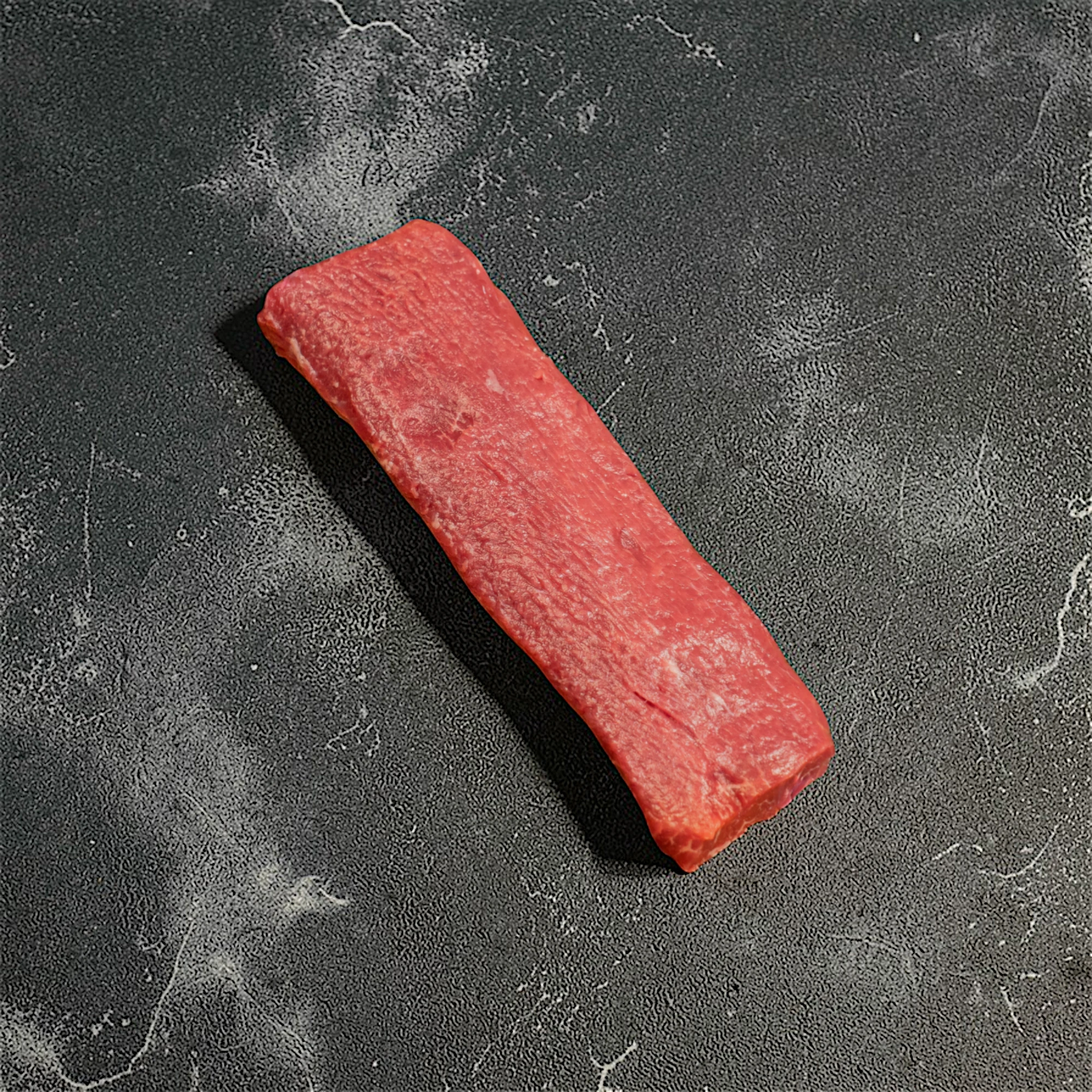
A good lamb loin doesn’t improve with long cooking times. Precisely because this cut is so fine-grained and tender, it’s worth taking the time to cook it carefully and precisely. When cooking Swiss pasture-raised lamb loin on the grill or in a pan, there are three key things to keep in mind: high initial heat, a reliable internal temperature, and letting it rest for a few minutes after cooking.
This keeps the meat pink and juicy on the inside while forming a delicate crust on the outside. A meat thermometer is more helpful than a strict time guideline, since thickness, starting temperature, and heat source vary from cut to cut. With this method, you can cook the cut with confidence even if it’s your first time buying it or using a new grill.
What is a lamb loin?
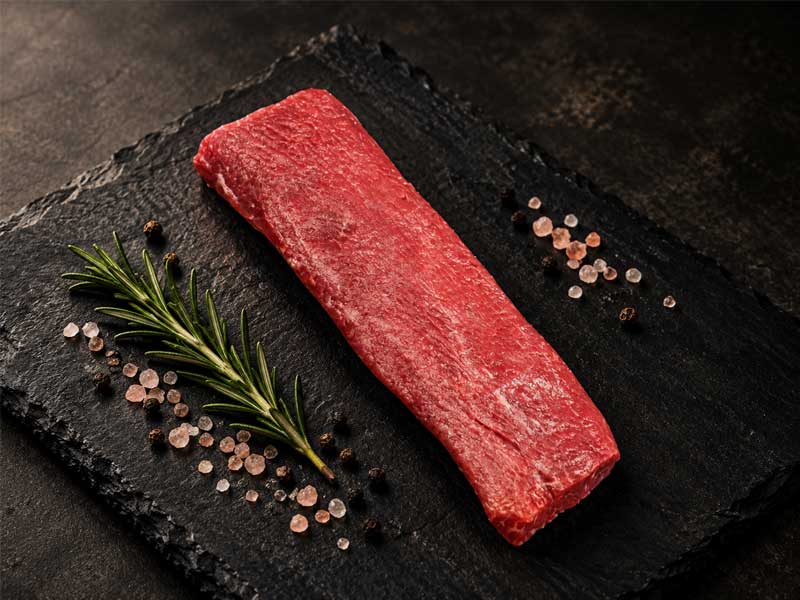
The lamb loin comes from the back and is one of the most tender cuts of lamb. It has a fine grain, a uniform texture, and cooks much faster than a leg or shoulder of lamb. That’s why it’s particularly well-suited for cooking methods in which the meat is seared briefly and then gently brought to the desired internal temperature.
Compared to heartier cuts, the loin is less suited for long, slow braising. Its strength lies in its tender texture and clean, natural flavor. Grilling, pan-searing, and a brief finish in the oven are the best methods for preparing it. If you’d like to explore other cuts, you’ll also find lamb racks, gigots, and lamb shoulders in the Swiss Pasture-Raised Lamb category.
What does lamb loin taste like?
Lamb loin has a delicate, aromatic flavor without being overpowering. The meat has a tender texture and pairs well with herbs, garlic, rosemary, or thyme. Even people who usually find lamb to be very intense often appreciate the elegant, subtle character of this cut.
Texture
Fine-grained and tender
This cut is designed for short cooking times and stays especially juicy when cooked over controlled heat.
Aroma
Subtle and clear
The natural flavor takes center stage and doesn't need a heavy marinade.
Goes well with
Herbs and Roasted Flavors
Rosemary, thyme, garlic, pepper, and coarse salt go particularly well with the meat.
How to Prepare a Lamb Loin Properly
For even results, remove the meat from its packaging well in advance and carefully pat it dry with paper towels. A dry surface develops color and roasted flavors better when seared. Visible tendons or loose membranes can be carefully removed if necessary.
Season simply and thoughtfully. A little neutral or high-quality olive oil, freshly ground pepper, and herbs are all you need. Salt can be added just before cooking or right before serving. A marinade isn’t essential: it can work well, but with high-quality lamb loin, it isn’t necessary to enhance the flavor.
Important: Do not place the meat directly from the refrigerator into a lukewarm pan. It does not need to come to room temperature for hours, but it should be unwrapped and dry just before cooking.
Pan-frying Lamb Loin
Pan Method
Start on high heat, finish cooking gently
A heavy skillet retains heat well. Start by searing the sirloin over high heat, then reduce the heat. For thicker cuts, it’s a good idea to finish cooking them briefly in the oven. What matters isn’t the exact number of minutes, but the internal temperature.
- Preheat the pan: Heat a pan over medium to high heat, and only then add a little oil.
- Sear on allsides: Briefly sear the tenderloin on all sides until an even crust forms.
- Control the heat. If necessary, add the butter, rosemary, and garlic only at the very end so they don't burn.
- Remove fromheat before it's done. Take the meat off the heat a few degrees before it reaches the desired temperature and let it rest.
Grilling Lamb Loin
On the grill, preparation also begins with direct, high heat. This creates a nice crust and the characteristic roasted flavors. If the piece is thicker, it is moved to the indirect heat area after searing and gently finished cooking there with the lid closed.
A thermometer is one of the most useful tools when grilling lamb loin. It ensures consistent doneness, even if the grill, outdoor temperature, or size of the cut varies. Turn the meat only as often as necessary, and avoid piercing it repeatedly to minimize juice loss.
Grilling tip: For especially tender results, don't leave the tenderloin over high heat after searing it. Indirect heat gives you more control and reduces the risk of overcooking the delicate fibers.
What is the ideal internal temperature?
The right internal temperature determines whether a lamb loin will remain pink and juicy. Always take the temperature at the thickest part of the meat. The temperature usually rises slightly while the meat is resting. Therefore, remove the piece from the grill, skillet, or oven a few degrees before it reaches the desired final temperature.
| Degree of doneness | Core temperature |
|---|---|
| Rare | about 48–50 °C |
| Medium Rare | approx. 52–54 °C |
| Medium | about 55–57 °C |
| Medium Well | about 58–60 °C |
For a pink result, a good target range is usually around 56–58 °C after resting. The ideal temperature may vary slightly depending on personal preference and the thickness of the cut.
How long should a lamb loin rest?
After cooking, let the lamb tenderloin rest for a few minutes. During this time, the meat juices will redistribute more evenly, and the cut will look neater. To do this, place it loosely on a cutting board or a warm plate. Wrapping it too tightly can cause the crust to become soft.
For smaller cuts, three to five minutes is often enough. For larger cuts, the resting time may be a little longer. Only then should you slice the meat across the grain.
How to Cook a Lamb Loin in the Oven
For thicker cuts or when you want to have several side dishes ready at the same time, lamb loin works well when cooked in a pan and in the oven. First, sear it on all sides in an oven-safe pan. Then, cook it in the oven at a moderate temperature until it’s just shy of the desired internal temperature.
This method is particularly easy to control because the direct heat is used only to brown the crust. The final cooking process is gentler. The same rule applies here: Use a thermometer, remove the meat before it reaches the desired temperature, and let it rest.
What side dishes and spices go well with lamb tenderloin?
The delicate flavor of lamb loin pairs well with side dishes that complement the meat without overpowering it. Rosemary potatoes, grilled vegetables, green beans, polenta, or a fresh salad are classic options. For a more festive meal, ratatouille, herb butter, or a rich gravy are also good choices.
Side Dishes
Warm and easygoing
Rosemary potatoes, polenta, grilled vegetables, or green beans add texture to the dish.
Herbs
Mediterranean and fresh
Rosemary, thyme, garlic, and Mediterranean herbs go particularly well with it.
Seasoning
Less is more
Freshly ground pepper, coarse salt, and a hint of mustard are usually all you need.
How much lamb loin per person?
For a main course, about 180 to 220 grams of lamb loin per adult is a good guideline. If there are many side dishes or the meal consists of multiple courses, a slightly smaller amount may suffice. If the meat is clearly the main focus or if you’re planning for particularly hungry guests, a slightly larger portion makes sense.
Please note the actual available product size. This allows you to order the lamb loin online in a quantity that matches the number of guests and the planned menu.
What should you look for when buying?
When it comes to a tender cut like lamb loin, the origin, cut, and transparent product information are particularly important. A neatly trimmed piece cooks more evenly and is easier to prepare. Information on storage, weight, and recommended uses is just as important.
- Check the product's origin and ensure the information provided is transparent.
- Make sure the pieces are cut evenly and are the correct size.
- Follow the storage and preparation instructions.
- Be sure to allow enough weight for the desired number of people.
- After delivery, store the meat according to the instructions and prepare it in a timely manner.
Frequently Asked Questions About Lamb Loin
What is the ideal internal temperature for a lamb loin?
To achieve a pink result, a temperature range of about 56–58 °C after the resting period is usually best. If you prefer it less pink, you can use the higher values in the temperature chart as a guide.
How long should you cook a lamb tenderloin?
It is unreliable to specify a fixed number of minutes due to variations in thickness and heat sources. Sear briefly and vigorously, then use a thermometer to cook to the desired internal temperature.
Can you grill lamb loin?
Yes. Start by searing over direct heat, then finish cooking thicker cuts over indirect heat. This creates a crust and ensures even cooking.
Does lamb loin need to be marinated?
No. Its tender texture and delicate natural flavor come through beautifully even with just a little oil, salt, pepper, and herbs.
How much lamb loin do you need per person?
For a main course, about 180 to 220 grams per adult is a good guideline. If there are plenty of side dishes, a slightly smaller portion may be enough.
What is the difference between lamb loin and lamb fillet?
Both are among the most tender cuts of lamb. The terms are not always used interchangeably, depending on the cut and region. When preparing either cut, follow these guidelines: cook briefly, check the internal temperature, and let it rest before carving.
Swiss Pasture-Raised Lamb
Lamb loin doesn't require any complicated preparation.
The key factors are a clean cut, controlled heat, and the right internal temperature. If you keep these three points in mind, you’ll end up with a particularly tender and flavorful cut.