Duroc Guide
How to Cook Duroc Pork Tenderloin Properly: Flavor, Core Temperature, and Tips
Duroc is the name of a breed of pig. However, whether the pork tenderloin on your plate is a hit depends just as much on its origin, how it’s cut, and how it’s prepared. This guide shows you what really matters when cooking in a skillet, on the grill, or in the oven.
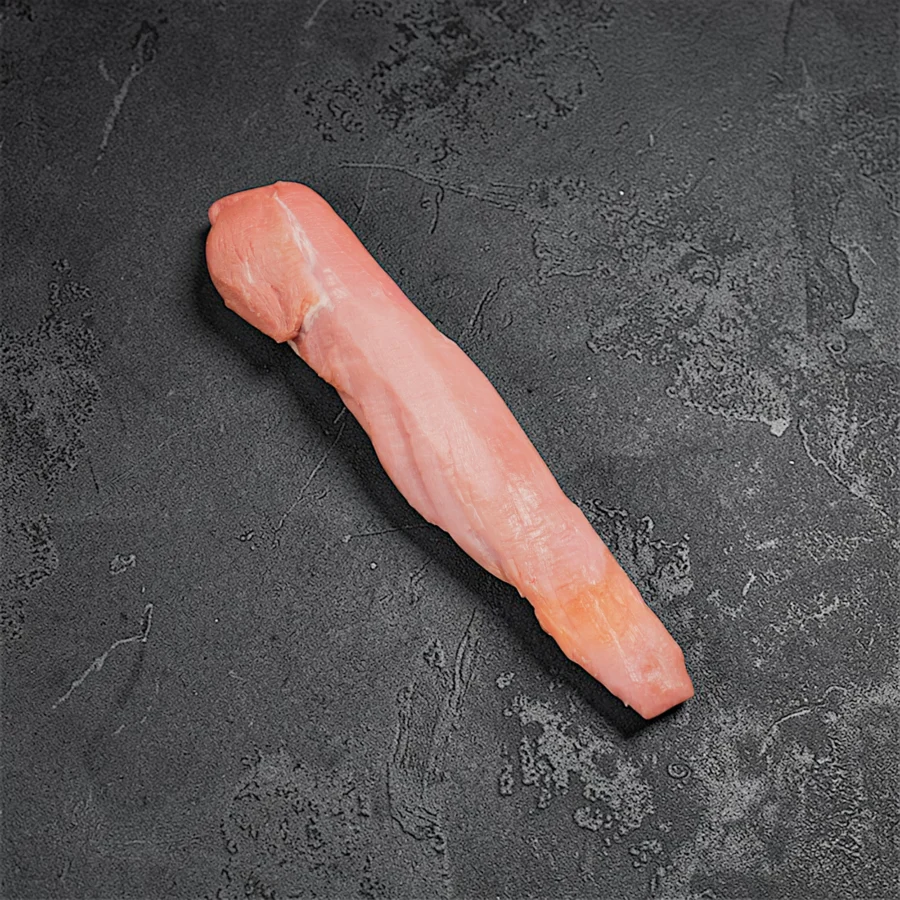
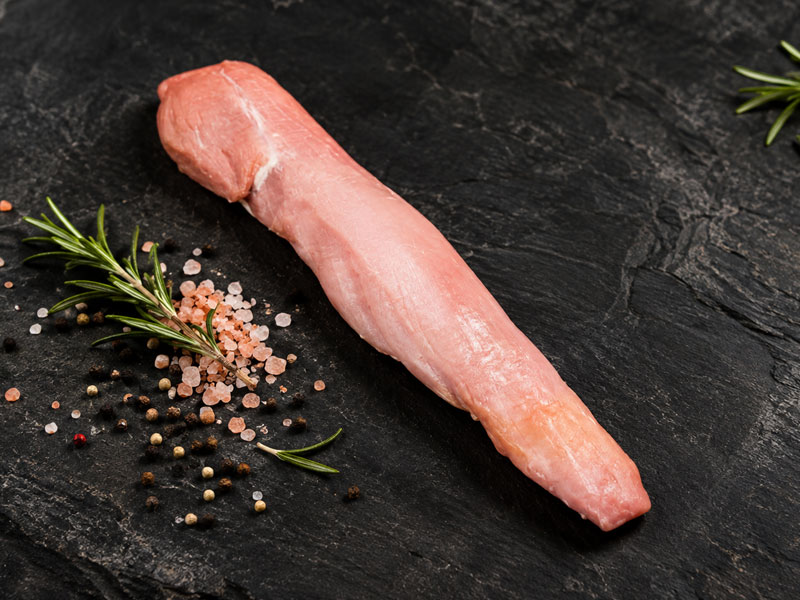
Pork tenderloin is a tender, lean cut. That’s precisely why it’s sensitive to overcooking: It requires high heat to sear the surface, followed by careful monitoring to ensure the center doesn’t dry out. With Duroc tenderloin, there’s another factor to consider. This cut may have subtle marbling and a distinct flavor of its own, which doesn’t need to be masked by a heavy marinade.
According to the product page, the Duroc fillet from Das Fleisch comes from free-range Swiss pigs, is trimmed by hand, and is aged for three weeks. These are specific details about this product—not characteristics that every Duroc fillet automatically possesses. This article explains how to prepare it; weight options and current availability are listed on the product page.
What is Duroc pork?
First and foremost, “Duroc” is the name of a breed of pig, not a blanket seal of quality. The breed is often associated with good fat marbling and a more pronounced meat flavor. Whether a particular cut actually exhibits these characteristics also depends on how the pigs are raised, fed, cut, processed, and stored.
For shoppers, therefore, information about the meat’s origin is more meaningful than a breed name alone. For the fillet linked here, Das Fleisch specifies that the meat comes from Swiss free-range pigs and has been aged for three weeks. Those trying Duroc for the first time can choose this fillet as a delicious, tender introduction; those looking for more fat and a firmer texture should also check out other cuts.
What makes Duroc pork special?
Fine marbling can contribute to a juicier mouthfeel during cooking. However, the specific cut is what matters most: A filet is generally leaner than a neck cut. A heavily marbled neck cut and a finely trimmed filet should therefore neither look the same nor be prepared the same way.
01
Breed
Duroc refers to the genetic origin, not the overall product quality.
02
Origin
Attitude and transparent information about the specific product are also important factors.
03
Cutting
Fillet, chop, and neck differ significantly in fat content and texture.
04
Cooking
A thermometer is more reliable than a general estimate of the number of minutes.
What does Duroc pork tenderloin taste like?
The tenderloin has a mild and delicate flavor, but it can have more character than one might expect from pork, which is often thought of as completely neutral. Its appeal lies not in a dominant fatty flavor, but in the interplay of its tender texture, light marbling, and a nicely browned surface.
For a first course, salt, freshly ground pepper, and perhaps a little thyme are enough. This allows you to better assess the meat’s character than when it’s covered in a sweet glaze or a strongly seasoned sauce. Whether you can clearly taste the difference compared to another pork tenderloin, of course, also depends on the specific product and how it’s prepared.
Pork tenderloin or another Duroc cut?
Not every occasion calls for filet. If you're looking for tenderness and quick cooking times above all else, you've come to the right place. For a grilled cutlet or a slow-cooked BBQ cut, other cuts are more suitable.
| Cut | Character | Appropriate Method |
|---|---|---|
| Fillet | Fine, tender, rather lean | Skillet, grill, oven |
| Duroc Pork Chop | Meaty, with bone and a layer of fat | Grill or skillet |
| Duroc Neck | Significantly more marbled | Oven, Smoker, Low & Slow |
The pork chop featured on the website is dry-aged on the bone; the neck is described as being suitable for slow cooking and pulled pork. These differences are more important for making a selection than the question of which cut is “better” in general.
Before Cooking
How to Properly Prepare Duroc Pork Tenderloin
A few simple steps go a long way—more so than a long list of ingredients.
- Thaw safely: Thaw frozen fillets in the refrigerator; do not leave them on the counter for hours. Follow the instructions on the package.
- Inspect and dry: Unwrap the meat, remove any remaining silver skin if necessary, and pat the surface dry with paper towels.
- Seasoning: Salt is enough as a base. Pepper and herbs can be added later. A marinade isn't absolutely necessary.
- Practice good food safety: Use separate cutting boards and utensils for raw and cooked meat; wash your hands and clean the work surface.
- Have a thermometer ready: For a whole fillet, measure at the thickest part; for medallions, measure at the thickest piece.
Pan-fry Duroc tenderloin
First, heat a heavy skillet well and add a small amount of suitable cooking fat. Sear the fillet—which has been patted dry—on all sides until the surface is browned. Then reduce the heat and finish cooking the meat slowly and carefully. Butter, thyme, or a crushed clove of garlic can add flavor toward the end; they are not required.
What matters most is not so much a specific number of minutes as the actual internal temperature. A thin end cooks faster than the thick center. If you rely solely on the clock, one end of the meat may already be dry while the other has not yet reached the desired temperature. After cooking, let the fillet rest briefly and check the internal temperature before serving.
Grilling Duroc Pork Tenderloin
For a whole fillet, it’s worth using a grill with both direct and indirect heat zones. Direct heat is used first to brown the surface. The fillet can then be gently finished cooking in the indirect heat zone. Turning it frequently isn’t necessarily a problem; what’s more important is maintaining even heat and ensuring the fillet doesn’t overcook while left unattended.
Insert the thermometer into the thickest part of the meat from the side, taking care not to accidentally measure only the surface temperature. Place the meat on a clean plate to rest; do not put it back on the platter where it was placed while raw. It’s easy to overlook this step, especially when grilling.
What is the ideal internal temperature for Duroc pork tenderloin?
When it comes to food safety, the internal temperature is more important than the color. The Swiss Federal Office for Food Safety and Veterinary Affairs (BLV) recommends heating meat to at least 70 °C. This general recommendation applies even when recipes for pork tenderloin specify lower temperatures to achieve a pink result. We have deliberately chosen not to list such lower temperatures here as safe target temperatures.
| Situation | Measurement | Orientation |
|---|---|---|
| Whole fillet | At its thickest point | Reach at least 70 °C |
| Medallions | At the thickest part | Reach at least 70 °C |
| Reheating Leftovers | Inside the dish | Reheat to 70 °C |
During the resting period, the temperature may rise slightly; by how much depends on the size of the meat and the cooking method. If you remove the meat from the heat early, you should therefore check the temperature to ensure that it has actually reached at least 70 °C before serving. A thermometer provides more certainty here than testing for doneness by pressure or cutting into the meat.
Source: BLV, Food Safety, section “Proper Heating.”
Can pork tenderloin still be pink on the inside?
Don't judge by color
A thermometer makes the difference
Color and juice seepage are not reliable indicators of the core temperature. Measure at the thickest part and follow the BLV recommendation.
“Pink” and “safe” are not interchangeable terms. Meat can look different depending on the cut and how it’s prepared, even if the thermometer reads the same temperature. Conversely, a gray surface does not prove that the center has been heated sufficiently.
With a high-quality fillet, it’s understandable to want to preserve its juiciness. The more reliable approach is to use controlled heat and a thermometer, rather than simply relying on a certain color. For those who are particularly sensitive, you shouldn’t cut corners when it comes to food safety.
Finish cooking the pork tenderloin in the oven
For a whole fillet, using a skillet and the oven is a combination that’s easy to control: first sear it on all sides, then finish cooking it in the oven at a moderate temperature. The product page on Das Fleisch also recommends searing the Duroc fillet briefly at high heat and then letting it reach the desired internal temperature in the oven at 80–100 °C.
The low oven temperature requires a little patience, but it prevents sudden temperature differences between the edges and the center. An oven-safe thermometer is helpful. Let the meat rest briefly before carving, and check to see if it has reached the recommended internal temperature.
Duroc tenderloin—whole or in medallions?
A whole fillet is easier to handle evenly. It has less browned surface area per serving, but is easier to control while cooking. This is convenient when guests are seated at the table and the meat is not to be sliced until it is time to serve.
Medallions cook faster and can be portioned individually. However, each piece is more sensitive to even a few extra minutes of heat. Cut the pieces to as uniform a thickness as possible, cook them in a pan that isn’t overcrowded, and check the core temperature of the thickest pieces. The same safety recommendation regarding core temperature applies to both methods.
What spices and side dishes go well with it?
Salt and pepper let the fillet shine. Thyme, rosemary, and garlic pair well when used sparingly. If you’d like a sauce, you can choose a light mustard cream or a reduced jus; a heavy, sweet glaze isn’t necessary to give the dish character.
Good side dishes include mashed potatoes, rosemary potatoes, mushrooms, green beans, and seasonal grilled vegetables. For a lighter meal, a hearty salad and bread are enough. More important than an elaborate combination is that the side dishes and sauce don’t overpower the tender cut of meat.
How much Duroc pork tenderloin per person?
The product page lists 180–220 g per person for a main course. This is a useful starting point, not a strict rule: With an appetizer and generous side dishes, less is often enough, while more may be appropriate for a meat-focused barbecue evening. Before ordering, check the available weight options and plan your portions accordingly.
Before Making a Selection
What should you look for in Duroc pork?
A close look at the actual product is more helpful than a single word describing its quality.
- Clearly identify the origin and type of farming.
- Choose the right cut for the skillet, grill, or slow cooking.
- Compare the weight and serving size before ordering.
- Read the instructions on aging, preparation, and storage.
- Upon delivery, observe the cold chain and storage instructions.
Duroc is more than just tenderloin
For a tender, delicate-tasting main course, fillet is the obvious choice. A bone-in chop offers more fat marbling and a more robust grilled flavor. The more heavily marbled neck cut is ideal if you have time to cook it in the oven or smoker. It is precisely these differences that make it sensible not to treat Duroc as a one-size-fits-all flavor profile.
If you’re looking for something especially tender, start with the fillet. If you’re looking for a classic barbecue cut, consider the chop. For a juicy barbecue with a long cooking time, the neck is the better choice. The Duroc category shows the cuts currently available. If this is your first time ordering meat online, our guide to origin, refrigeration, and delivery will also help you make your selection.
Frequently Asked Questions About Duroc Pork Tenderloin
What is Duroc pork?
Duroc refers to a breed of pig. The name alone does not tell the whole story about how a specific product is raised, cut, or processed.
What does Duroc pork tenderloin taste like?
Fillet is a mild, delicate cut. This particular Duroc fillet has a distinctive flavor of its own, thanks to its subtle marbling and careful preparation.
What is the ideal internal temperature for Duroc pork tenderloin?
For food safety, the Swiss FSVO recommends heating meat to at least 70 °C. Take the temperature at the thickest part of the fillet.
Can you grill Duroc pork tenderloin?
Yes. First, sear it over direct heat, then finish cooking it slowly over indirect heat and check the internal temperature.
Is Duroc pork automatically better than other types of pork?
No. Breed, rearing practices, feeding, processing, and the specific cut all play a role. "Duroc" refers to the breed; it is not a blanket guarantee of quality.
How long should the fillet rest?
A few minutes is a good guideline for a whole piece. The exact time depends on the size and cooking method; the internal temperature should be checked again before serving.
Which cut of Duroc pork is best for grilling?
Fillet is best suited for short- to medium-length cooking over controlled heat. A chop is the more classic cut for grilling; neck is better suited for longer, gentler cooking.
Discover Duroc
The Right Cut for Your Kitchen
The Duroc tenderloin doesn't require any complicated preparation: a dry surface, controlled heat, a thermometer, and a few good spices are all you need. Discover the Duroc tenderloin and other select cuts in our assortment.