Why order meat online?
A good online store offers a wider selection than what’s currently available at your local butcher shop. You can compare different cuts, discover rarer varieties, and order the right amount for the occasion. Whether you’re planning a BBQ, a dinner with friends, or a weekend with the smoker, this kind of preparation is often less stressful than a last-minute shopping trip.
The second advantage is transparency. Good product pages don’t just explain the name of a cut—they also provide information on origin, weight, marbling, storage, and preparation. This turns an abstract order into an informed decision. In the Das Fleisch online store, you can take your time comparing categories and individual products before adding them to your cart.
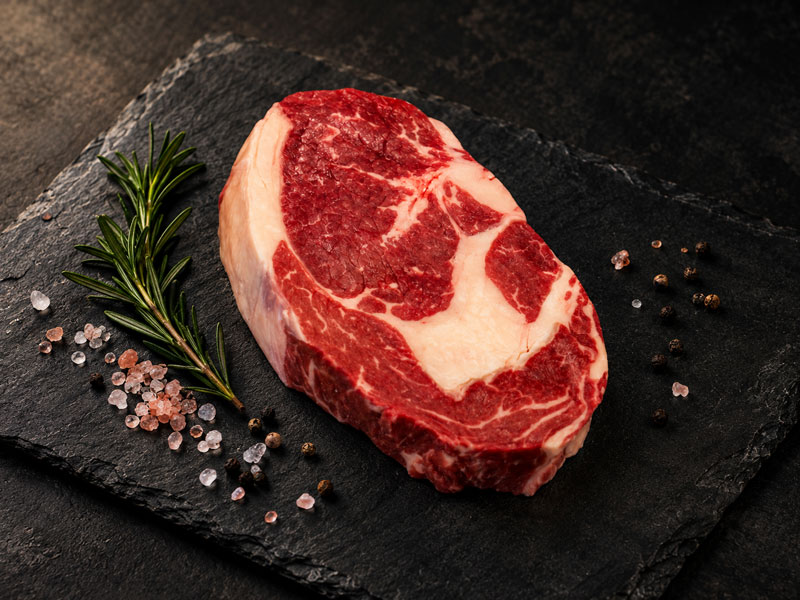
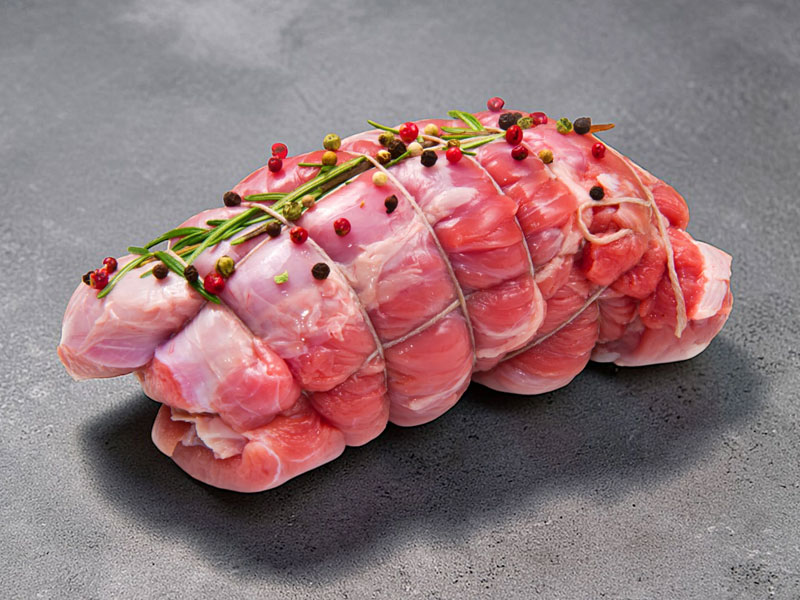
Buying online doesn't mean you always have to choose the most exclusive cut. For some dishes, an entrecôte is the right choice; for others, a neck cut, a lamb shoulder, or poultry. The key is to make sure the product matches the recipe, the planned cooking time, and the number of guests.
Origin and Transparency: Where Does the Meat Come From?
Origin is more than just the country listed on the label. When it comes to a carefully selected product, the producer, breed, rearing method, aging process, and cut are also important factors. A transparent store makes this information easy to find and does not hide the fact that a product comes from a different region or country.
When making a selection, it can be helpful to think in terms of categories. Black Angus is often sought after for its marbling and rich flavor. Free-range pork and Duroc appeal to people who want pork with character for grilling, pan-frying, or barbecuing. Swiss pasture-raised lamb offers fine cuts of lamb with a clear trace of origin, while organic poultry is a versatile option for everyday meals and for entertaining guests.
These terms are not a ranking. They describe different products and expectations. Good transparency helps you understand these differences and not base your decision solely on a general term like “premium.”

Fresh, frozen, or deep-frozen?
"Fresh" and "frozen" primarily refer to storage conditions, not necessarily to quality. Fresh meat is a good choice if you plan to cook it soon. Frozen meat offers flexibility: You can store it in the freezer and then let it thaw slowly in the refrigerator when the time is right.
With rapid freezing, the temperature is lowered quickly. This can help preserve the product’s structure well during subsequent thawing. However, terms such as “flash-frozen” or “super-frozen” should only be considered a quality feature if the retailer transparently explains what they mean and how the product is transported.
When it comes to high-quality cuts, it’s not just the product itself that matters, but also how it’s stored and delivered after processing. The meat company describes its products as being flash-frozen at the optimal moment of quality and delivered throughout Switzerland. For home use, follow these guidelines: Check the packaging upon receipt, store frozen items immediately, and allow sufficient time for thawing in the refrigerator.
The cold chain determines quality
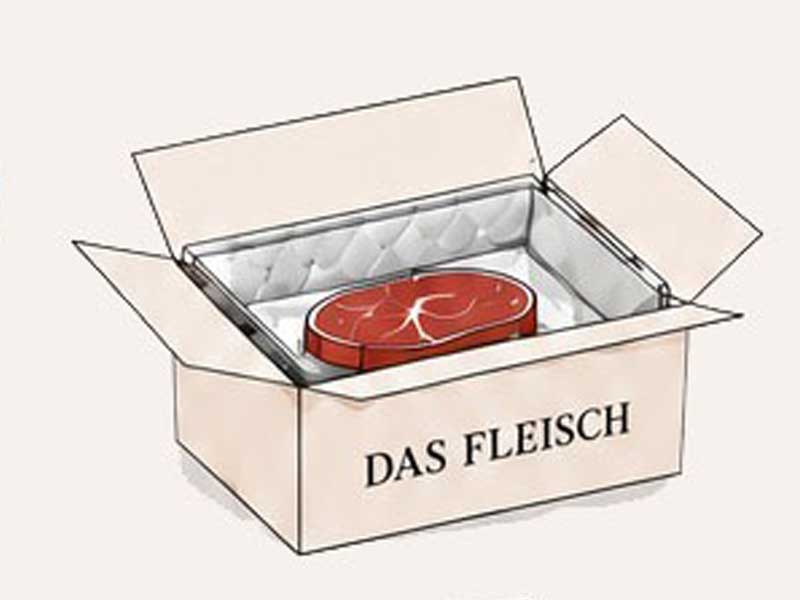
Meat is a perishable food item. That’s why a store should clearly explain before an order is placed how shipping is handled, when delivery will take place, and what to keep in mind after delivery. Sturdy packaging, traceable temperature control, and a predictable delivery date are key components of a good online ordering experience.
If possible, choose a delivery date when someone will be available to receive the package in person. After delivery, refrigerated items should be placed in the refrigerator promptly, and frozen items should go directly into the freezer. If the packaging is damaged or no longer sufficiently cold, document the condition and contact the retailer before using the product.
A good online store provides clarity even before a purchase is made: Are there storage instructions? Is the desired delivery date clearly displayed? Are the product weight and price clearly listed? These details aren’t just extras—they’re an integral part of quality in online retail.
Which cut goes best with which dish?
The cut has a greater impact on the final result than a complicated recipe. Quick, high-heat cooking requires different characteristics than smoking, oven cooking, or sashimi. The following guidelines will help you make an initial comparison. The specific details on the product page are always the definitive source of information.

How much meat should you order per person?
The right amount depends on the cut, the side dishes, and the occasion. For a main course with side dishes, about 180 to 250 grams of meat per adult is a good guideline. For large steaks, meals with a lot of meat, or guests with big appetites, the amount may be higher.
With bone-in cuts and large pieces, not all of the weight is edible. Therefore, be sure to allow for a little extra. At a barbecue with several types of meat, you’ll need less of each type because guests will have a variety to choose from. A smaller portion is usually sufficient for children. The serving size guidelines on the individual product pages are particularly helpful because they refer to the specific cut.
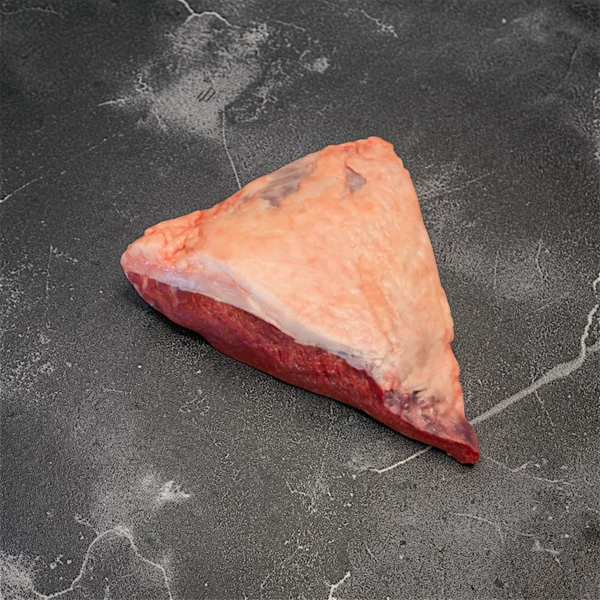
Here's an example: For two people, a single, generous steak to share can work well. For four to six guests, a whole cut—such as picanha or a roast—is often a better choice than several very small steaks. Also keep in mind whether there will be appetizers, salads, bread, or other side dishes on the table.
What should a good online meat shop clearly display?
A clear product page is a form of guidance. It shouldn't just show a pretty picture and a product name—it should make your decision easier. The more detailed the information, the easier it is for you to compare weight, price, and preparation instructions.
Customer reviews can be especially helpful when making a first purchase. Experiences that specifically address product quality, packaging, delivery, or preparation are more informative than a simple star rating. They do not replace product information, but they do supplement it by offering the perspectives of other customers.
This information isn't just helpful for your first purchase. It also makes it easier to place targeted reorders later on or discover new cuts with a similar character.
Price: Why High-Quality Meat Isn't Always the Cheapest Online
The price per kilogram tells only part of the story. Breed, feed, rearing conditions, aging, cutting, portioning, packaging, and refrigeration can all influence a product’s price. With some cuts, you’re also paying for limited availability or for the portion that doesn’t end up on your plate after trimming.
That doesn't mean every meal has to be expensive. A lesser-known cut can be a better choice than tenderloin for a stew or pulled pork. What matters is that the price is right for the product, the quantity, and your dish. If you compare product information, you'll often find a better choice than if you just look for the lowest price.
Swiss meat or international premium cuts?
Both have their merits. Swiss Duroc products, pasture-raised lamb, or organic poultry can be appealing if regional origin and known production conditions are important to you. International specialties and certain breeds, on the other hand, can offer a very specific taste experience or a cut that is sought after for a particular dish.
Das Fleisch’s product lineup also features a variety of product categories side by side. In addition to Swiss products, you’ll find bluefin tuna for thoughtfully planned fish dishes and charcuterie for aperitifs and moments of indulgence. “Local” or “international” doesn’t automatically mean better. What matters is transparent information, a meaningful occasion, and the quality of the individual product.