Black Angus Cut Guide
Four Black Angus Cuts That Deserve More Attention
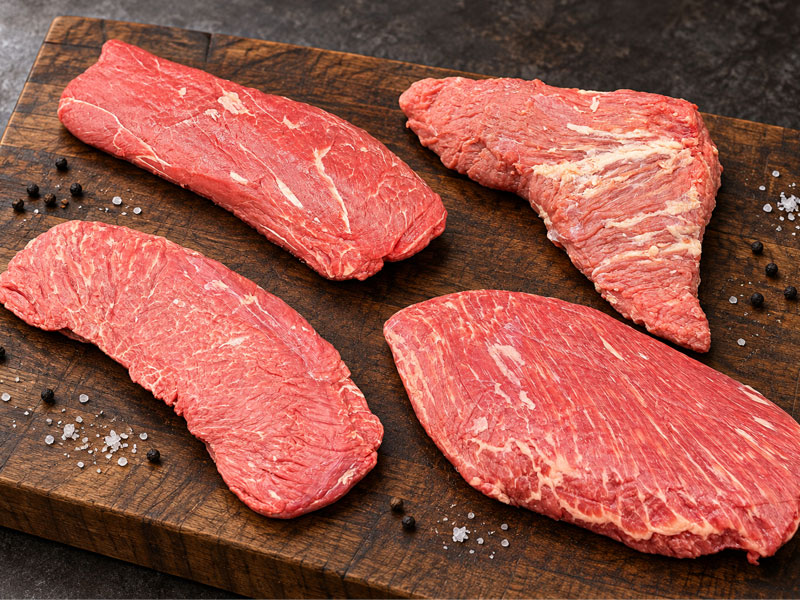
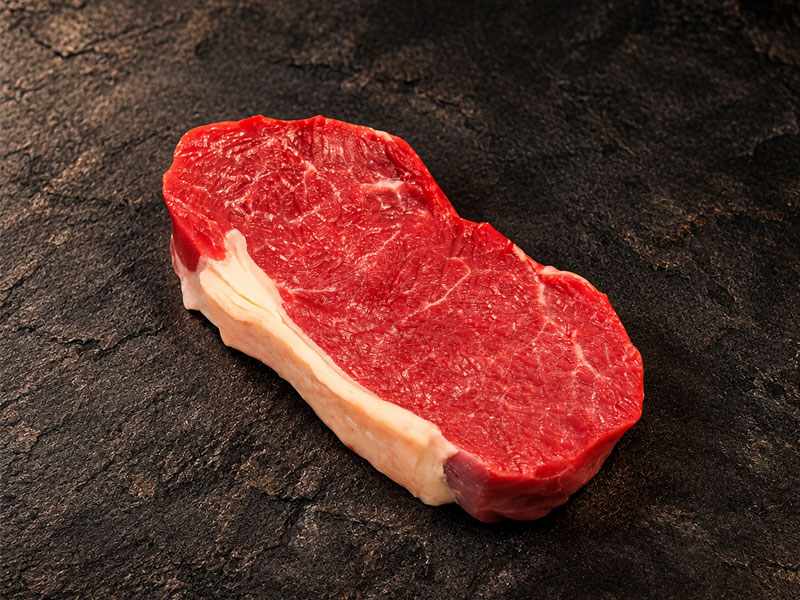
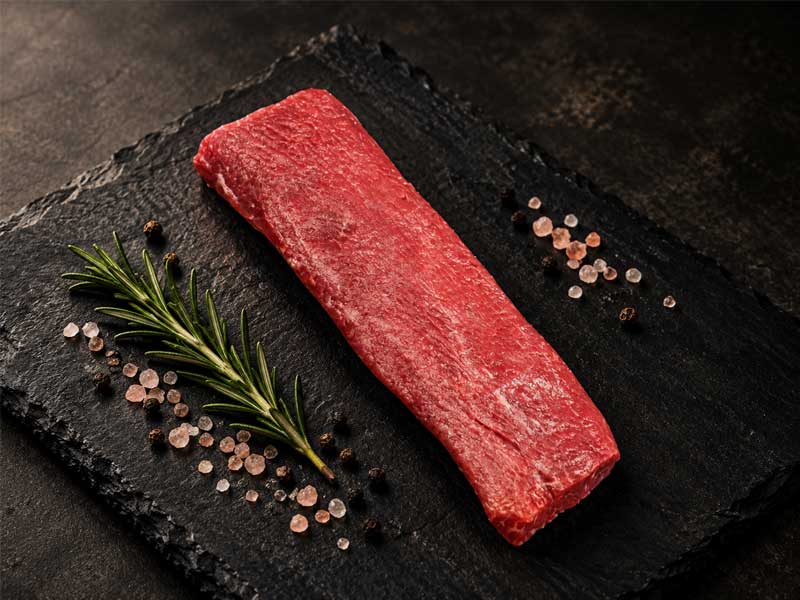
Almost everyone is familiar with ribeye, entrecôte, and filet. Tri-tip, bavette, flat iron, and flank steak, on the other hand, showcase four other sides of Black Angus: from large cuts for the grill to thinly sliced steaks with a firm grain.
Choosing the right cut of steak rarely depends on which one is generally considered the best. What matters much more is how you plan to cook it, how well-done you like it, and whether you’re planning to serve a single steak or a larger cut for several people. This is exactly where the differences between tri-tip, bavette, flat iron, and flank steak lie.
All four are distinctive Black Angus cuts, but they aren’t all prepared the same way. Tri-tip is cooked whole and then sliced. Bavette and flank steak are defined by their distinctive grain and the right cut. Flat iron is a particularly tender shoulder cut for people looking for a simple steak with plenty of flavor.
Not every good cut of steak has to be filet or entrecôte
The well-known classics have their place. At the same time, it’s worth discovering cuts that offer a different texture and cooking style. Depending on the cut, you’ll get a richer flavor, a more pronounced grain, or a whole cut to share instead of individual steaks.
These less obvious cuts are particularly exciting for BBQ and thoughtfully prepared meat dishes. They encourage you to experiment with temperature, resting time, and grain direction. This doesn’t make preparation any more complicated, but it does make it more precise—and often more interesting.
The Four Cuts at a Glance
| Cut | Character | Texture | Ideal for |
|---|---|---|---|
| Tri-Tip / Bäbättli | Juicy, robust | Delicate with Texture | Grill, indirect heat, oven |
| Bavette | Strong, intense | Distinctly fibrous | Grill, skillet, thinly sliced |
| Flat Iron Steak | Aromatic, well-balanced | Especially tender | Steak, Grill, Skillet |
| Flank Steak | Full-bodied, direct | Strong, long fibers | Grill, steak strips, fajitas |
The table is a guide, not a strict rule. The thickness of the cut, the grill temperature, and the desired level of doneness always play a role. Especially with bavette and flank steak, cutting against the grain determines the final dining experience.
Tri-Tip / Bäbättli: the cut for grilling and large portions
In Switzerland, the tri-tip is also known as “Bäbättli,” “Bürgermeisterstück,” or “weisses Stück.” It is a triangular cut from the lower part of the hind leg and is best cooked as a whole piece. Cook it on the grill over indirect heat or in the oven until it reaches just below the desired internal temperature, then sear it vigorously over direct heat to finish. Let it rest afterward and slice it thinly.
This cut is a great alternative to serving several individual steaks, especially when feeding a group. As a general guideline, medium rare corresponds to a final temperature of about 52–54 °C. Let the meat rest before slicing; then, follow the grain of the meat and cut against it. The product page recommends 200–250 g per person as a serving size guideline.
Bavette: lots of character and a rich beefy flavor
The bavette is for people who appreciate a rich meaty flavor and visible grain. When seared quickly over high heat, it remains juicy as long as it isn’t overcooked. Its texture is intentionally different from that of a filet: it offers more bite and rewards careful preparation.
After resting briefly, the bavette is sliced thinly against the grain. This isn’t just a minor detail—it’s the most important step for ensuring a tender result. If you slice parallel to the grain, the pieces will quickly become tougher. Cutting across the grain shortens the fibers, making the slices pleasant to eat or share with others.
Flat Iron Steak: Surprisingly Tender from the Shoulder
The flat iron steak comes from the beef shoulder. Its exceptional tenderness is due to the way it’s cut: the tough center tendon is removed, resulting in a finely marbled steak with a rich flavor. It’s therefore a great choice for anyone looking for a steak cut that’s full of character yet uncomplicated.
Flat iron steak is cooked quickly over high heat on the grill or in a pan. It works just as well as a classic steak as it does sliced into strips and served with a salad or vegetables. Here, too, letting the meat rest briefly before slicing helps. Medium-rare at about 52–54 °C is a good starting point if you want the meat to remain pink and juicy.
Flank steak: coarse grain, rich flavor
Flank steak comes from the belly and is a long, flat cut with a distinctive grain. It has a rich beefy flavor and is particularly well-suited for grilling. After cooking, it is sliced thinly, making it ideal for sharing, for steak strips, or for dishes like fajitas.
As with the bavette, the rule is: don’t overcook it, and be sure to slice against the grain. A crispy crust over direct heat, a few minutes of rest, and a clean cut bring out the best in the flank steak. The internal temperature is a helpful guideline, but it’s not the only measure of a good result.
Tri-Tip vs. Bavette vs. Flat Iron vs. Flank: Which Cut Is Right for You?
Choosing becomes easier if you focus not on the “best” cut overall, but on the right cut for the occasion. Tri-tip is the perfect choice when a larger cut is to be the centerpiece of a barbecue. Bavette appeals to people who enjoy an intense beefy flavor and a distinctive grain.
Tri-Tip
A whole cut for grilling, resting, and carving.
Bavette
Firm, fibrous, and ideal for careful slicing.
Flat Iron
A tender cut of shoulder, perfect for the grill or the skillet.
Flank Steak
Grill-cut with long grain for thin slices.
What's the right core temperature?
Similar core temperature ranges apply to these four Black Angus cuts. It’s important to insert the thermometer into the thickest part of the meat and remove it from the grill or pan before it reaches the desired final temperature. The temperature may still rise slightly during the resting period.
| Degree of doneness | Core temperature | Character |
|---|---|---|
| Rare | about 48–50 °C | Deep red at the center and very soft. |
| Medium Rare | approx. 52–54 °C | Pink to reddish-pink, juicy and tender. |
| Medium | approx. 55–59 °C | Evenly pink, with a firmer texture. |
| Medium Well | about 60–65 °C | Less pink and much firmer. |
These values are guidelines for the desired degree of doneness for whole cuts of beef; they are not a guarantee of food safety. For bavette and flank steak, resting time and cutting across the grain are equally important. For tri-tip, the grain pattern may vary within the cut.
The cut is crucial with these cuts
Against the Grain
More Than Just a Final Touch
The visible lines in the meat indicate the direction of the fibers. Cut across them, not parallel to them. This shortens the fibers, making the meat seem more tender when you eat it.
With bavette and flank steak, the way you cut the meat has a particularly strong impact on the final result. Both cuts have a clearly visible grain and should be sliced thinly against the grain after resting. With tri-tip, it’s worth taking a close look at the grain before making the first cut, because it can change within a single piece.
Flat Iron is more forgiving in this regard, but it also benefits from a clean cut. If you take these few minutes seriously, you'll get more tenderness out of each of the four cuts.
Grill, skillet, or oven?
| Cut | Grill | frying pan | Oven / Indirect Heat |
|---|---|---|---|
| Tri-Tip / Bäbättli | Very good | For searing | Very good |
| Bavette | Very good | Very good | Only when necessary |
| Flat Iron Steak | Very good | Very good | For thicker pieces |
| Flank Steak | Very good | Good | Only when necessary |
Tri-tip benefits from indirect heat because it’s cooked as a whole cut; to develop a crust, it can be seared vigorously at the end. Bavette, flat iron, and flank steak are classic candidates for brief, direct heat. For all four cuts, it’s worth letting them rest before carving.
Why Black Angus Is a Good Choice for These Cuts
With Black Angus, marbling, fat distribution, cutting, and aging can significantly influence the character of a cut. This does not guarantee that every cut will taste the same; rather, these are factors that interact intentionally with the specific method of preparation. A neatly trimmed piece is easier to control and reveals its own texture more clearly.
The four cuts presented here, in particular, show just how varied beef can be. They are not substitutes for entrecôte or filet, but rather distinct options for different preferences: more texture, a more grilled flavor, a larger cut to share, or a tender steak from the shoulder.
Which haircut is best for which occasion?
Tri-tip is an especially good choice for a barbecue with a group of people. It’s cooked whole, can be sliced right at the table after resting, and adds a different kind of drama than four individual steaks. Make this cut the centerpiece of your meal and give it enough time for indirect heat and resting.
For a hassle-free steak dinner, flat iron is an excellent choice. This cut is easy to cook on the grill or in a pan, remains pleasantly tender when cooked to medium-rare, and doesn't require any elaborate side dishes. Potatoes, salad, or grilled vegetables are more than enough.
Bavette is a good choice when you want the meat’s flavor and texture to take center stage. This cut appeals to diners who prefer a bit more bite and enjoy thinly sliced cuts. Flank steak follows a similar concept but works especially well as the basis for steak strips, fajitas, or a salad with warm meat.
The side dishes don't have to complement the cut of meat. Good bread, herb butter, some grilled vegetables, or a fresh sauce are usually enough. More important than a complicated meal is ensuring that the selected cut is suitable for the chosen cooking method and is sliced properly after cooking.
Four Common Mistakes with Specialty Steak Cuts
Precision, Not Routine
The cut determines the method
Treating a tri-tip like a thin steak or slicing bavette without paying attention to the grain completely undermines what makes these cuts so special.
Not enough heat when searing: Without a sufficiently hot grill surface or pan, you won't get a crust. This is true regardless of whether a cut is seared at high heat at the beginning or only at the end.
Cooking for too long: Bavette, flat iron, and flank steak, in particular, lose their juiciness more quickly when cooked to too high a core temperature. A meat thermometer provides more accuracy than relying on how it feels after a few minutes.
Don't cut right away: If you cut immediately, you'll lose more juice on the cutting board. Letting it rest for a few minutes before cutting makes a noticeable difference.
Cut parallel to the grain: This mistake is particularly noticeable with bavette and flank steak. Thin slices cut against the grain aren't just a matter of appearance—they're crucial for the texture.
Four cuts, four experiences
Which cut is right for your occasion?
The choice becomes easier once you've decided on the preparation method and the desired texture.
- Tri-tip: a whole cut of Black Angus to be grilled and sliced later.
- Bavette for a rich flavor, sliced thinly against the grain.
- Flat iron steak for a particularly tender, easy-to-prepare steak.
- Flank steak for the grill, steak strips, and dishes to share.
- With a thermometer, a short rest period, and the right starting point, every cut becomes easier to control.
Frequently Asked Questions About Black Angus Cuts
What is the difference between bavette and flank steak?
Both have a clearly visible grain and are best sliced against the grain. Bavette is known for its particularly robust flavor and distinctive texture; flank steak is long and flat and works very well for thin slices or steak strips.
Which of the four cuts is the most tender?
Flat iron steak is considered particularly tender because of the way it's cut. The tough center tendon is removed, resulting in a tender shoulder cut. However, tenderness always depends on the degree of doneness and how the steak is cut.
Which cut of meat is best for grilling?
All four work well on the grill. Tri-tip is ideal for grilling as a whole cut over indirect heat, while bavette, flat iron, and flank steak respond particularly well to brief, direct heat.
What's the right way to cut bavette and flank steak?
After letting it rest briefly, slice thinly and consistently against the grain. This shortens the fibers and makes the meat seem more tender when eaten.
Can you grill a whole tri-tip?
Yes. Tri-tip is particularly well-suited for cooking in one piece. It can first be cooked over indirect heat until it reaches just below the target temperature, and then seared over direct heat at the end. After resting, it is sliced across the grain.
What is a flat iron steak?
Flat iron steak is a cut from the beef shoulder. Removing the tough center tendon results in a tender, finely marbled steak cut that's perfect for the grill or skillet.
Discover Black Angus
Four cuts, four different experiences.
If you'd like to discover new aspects of Black Angus beyond entrecôte, ribeye, and filet, you'll find four cuts with very different characteristics in tri-tip, bavette, flat iron, and flank steak. The key factors are the desired texture and the appropriate cooking method.