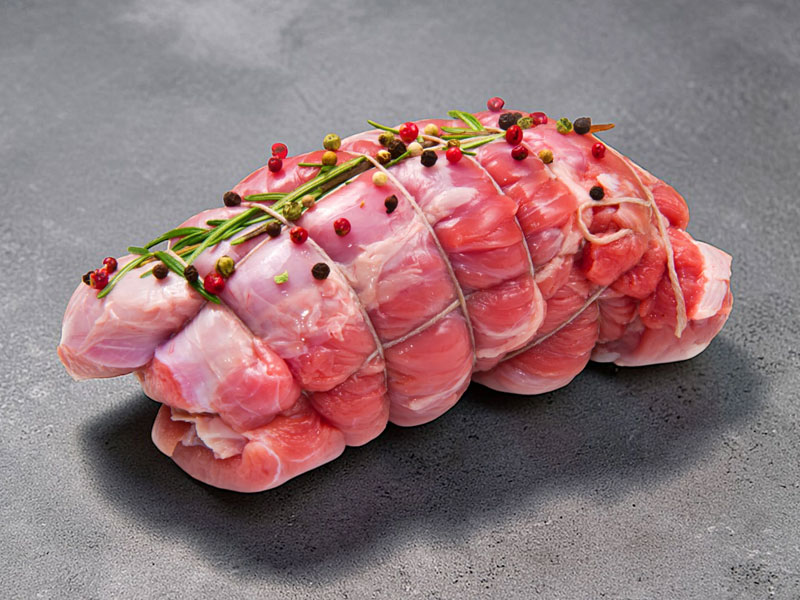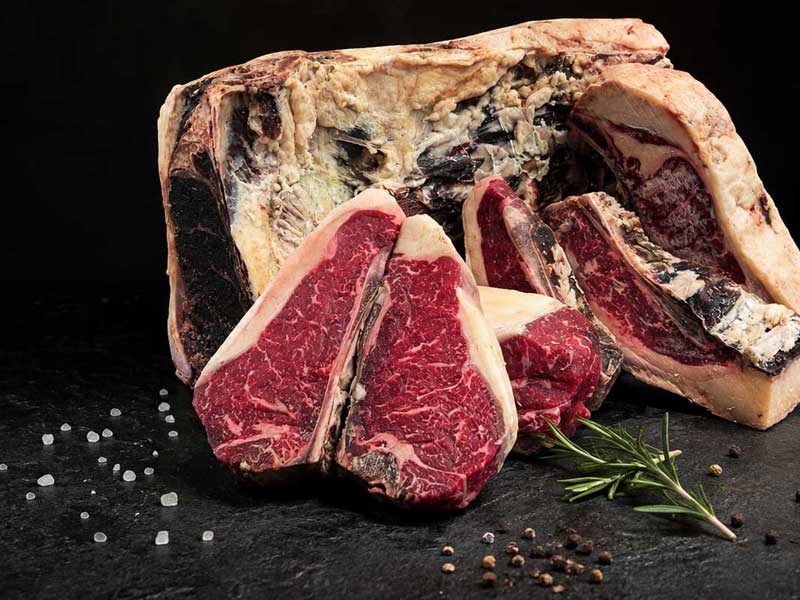
Origin and Transparency: The First Question to Ask Before Buying
When it comes to high-quality meat, the origin shouldn't be hidden in the fine print. Check to see if a store provides details about the producers, raising methods, breed, aging, or the specific cut. While this information doesn't replace your own taste, it does make your order more transparent.
This is a key factor in building trust, especially when shopping online. The Federal Office for Food Safety and Veterinary Affairs recommends ordering food from Swiss or EU online stores whenever possible, as comparable product safety requirements apply there. Learn more from the BLV.
At Das Fleisch, the focus is on select producers, clear criteria, and treating the product with respect. You can find out more about this commitment on the About Us page.

Fresh or frozen?
Both can be a good choice if the product is handled properly. Fresh meat is best for immediate preparation. Frozen meat, on the other hand, gives you more flexibility in planning: You can thaw it whenever it’s convenient for you.
What matters isn't just the label on the packaging, but the timing and care involved. According to the company's product philosophy, the meat is frozen at the optimal moment and delivered throughout Switzerland. For consumers at home, this means: Check the packaging after delivery, place frozen items directly into the freezer, and thaw the meat slowly in the refrigerator.
How important is the cold chain?
This is very important. Meat is a perishable food item and must remain reliably refrigerated from the time it is shipped until it is stored at home. Therefore, before placing your order, check the store’s information on shipping, delivery, and packaging. If possible, choose a delivery date when someone will be available to receive the package.
After delivery, follow these guidelines: Place refrigerated items in the refrigerator as soon as possible, and frozen items directly into the freezer. If a package is damaged or the product is no longer sufficiently cold, document the condition and contact the retailer before using it.
Swiss meat and imported premium beef
The right choice depends on the dish and your priorities. Swiss meat may be a good option if you're looking for short supply chains, regional sourcing, or well-known producers. Imported premium beef can be a good choice if you're specifically looking for a certain breed, a particular cut, or a style like American Black Angus.
It’s important that the product page clearly explains what you’re buying. Information about the origin and characteristics of the product is more helpful than a general promise of “premium” quality. For a special evening, a heavily marbled steak might be the right choice; for a stew, however, a different cut is often the better and more sensible option.
What kinds of meat can you order online?
Online, you'll find not only classic steaks but also products that are less commonly available in brick-and-mortar stores. First, decide what you want to cook or grill. That will make choosing much easier.
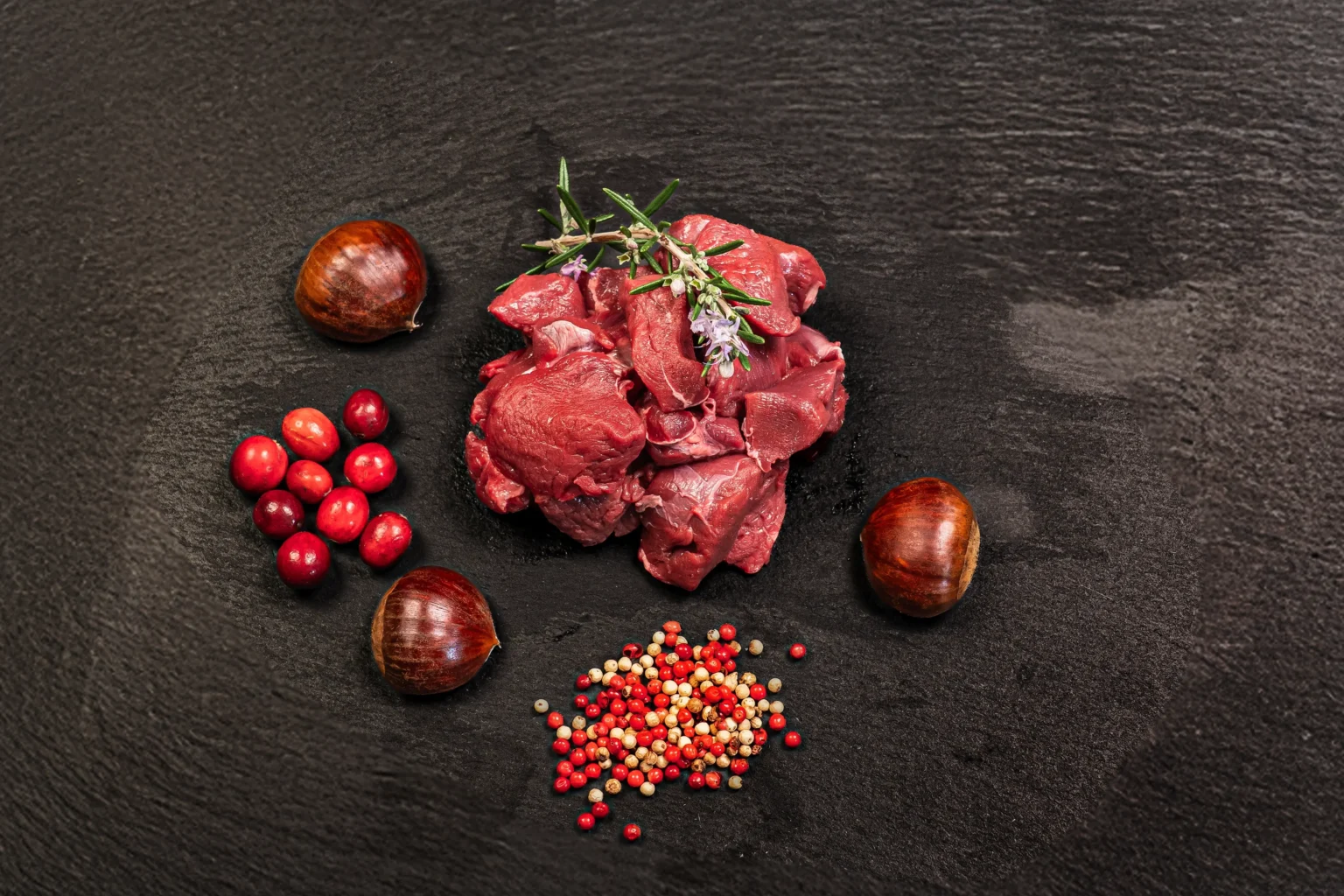
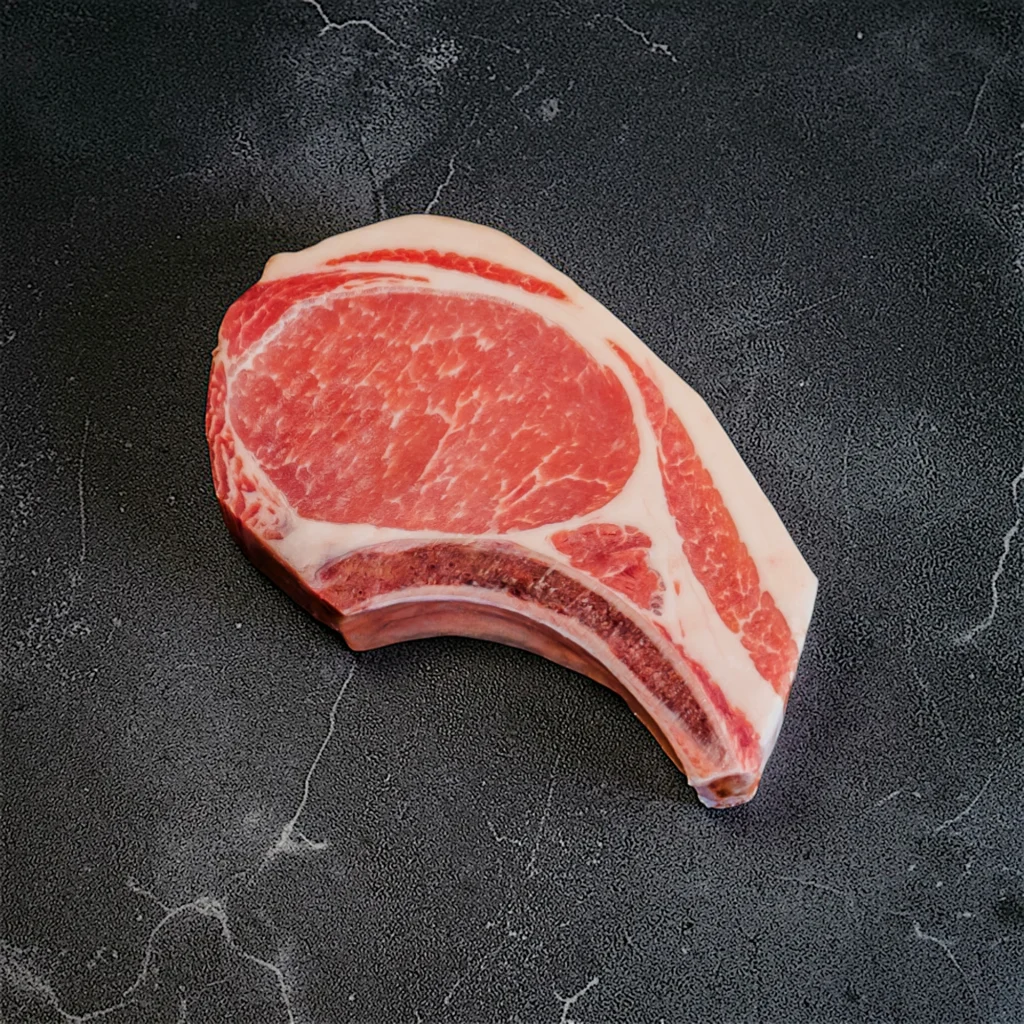
BBQ Cuts: What Goes on the Grill?
For direct, high-heat grilling, steaks like ribeye or entrecôte are a safe bet. They benefit from their marbling and don’t require long cooking times. A picanha is ideal for several guests and turns out especially juicy when cooked as a whole cut, provided the fat cap remains intact during cooking.
For those with patience, beef brisket is a classic “low and slow” cut for the smoker or oven. It’s not about high heat here—it’s about time. Only order this cut if you’re prepared to set aside plenty of time for cooking.
How much meat should I order per person?
The amount depends on the cut, side dishes, and the occasion. As a general guideline, for a main course with side dishes, about 180 to 250 grams of meat per person is often a good rule of thumb. For generous steaks, you can go a little higher; for a bone-in cut or a whole piece, you should take the bone weight and the cut into account.
When hosting a barbecue, it’s a good idea to combine several smaller cuts rather than choosing just one very large piece. This adds variety, and you can better tailor the quantity to the number of guests. The information on the product pages is the best place to start, since it’s specific to each cut.
Plan Delivery and Delivery Times Carefully
Don't wait until the day of the meal to place an online order. Take into account the desired delivery date, the time needed to receive the order, and—for frozen items—the time it takes to thaw them in the refrigerator. For larger cuts or a meal for guests, it's a good idea to plan for an extra day as a buffer.
Before completing your order, check the delivery options currently displayed in the store. They are more reliable than general statements because they take into account availability, the delivery area, and your preferred delivery date.
Storing Meat Properly After Delivery
Store refrigerated meat in the coldest part of the refrigerator and follow the instructions on the packaging. Frozen items should go directly into the freezer. To thaw the meat, place it in the refrigerator in plenty of time and leave the packaging sealed. This allows it to thaw slowly and evenly.
Take steak or other cuts that require quick cooking out of the refrigerator well in advance of cooking so they aren't ice-cold when you put them in the pan or on the grill. How long you should take them out depends on the size and cut. Safety and packaging instructions always take precedence.
How much does high-quality meat cost online?
The price of a high-quality cut isn’t determined by weight alone. Its origin, how the animal was raised, its breed, aging, cut, careful packaging, and logistics all play a role as well. That’s why it’s worth not only comparing the price per kilogram but also checking exactly what you’re getting for that price.
A less expensive cut isn't necessarily the worse choice. For ragout, braised dishes, or pulled pork, lesser-known cuts may actually be a better fit than tenderloin. Good advice also means choosing a cut that suits both your cooking method and your budget.