Steak Pasta – Black Angus Meets Italian Flavors

A juicy steak, creamy and flavorful pasta—all made in a single skillet: This steak pasta is simple, quick to make, and still a real treat.
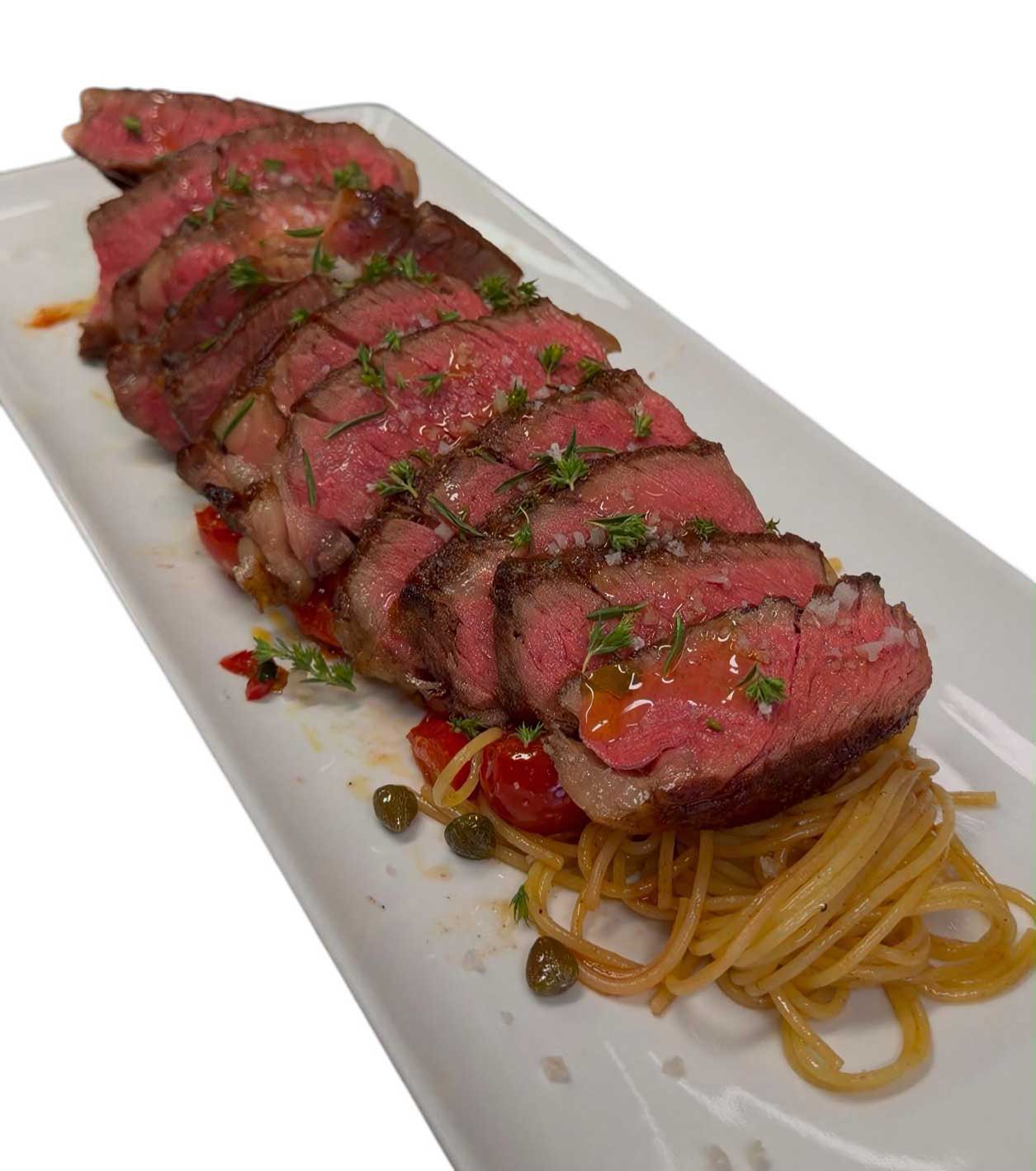
Steak Pasta Recipe – Black Angus Steak with Herbs, Tomatoes, and Capers

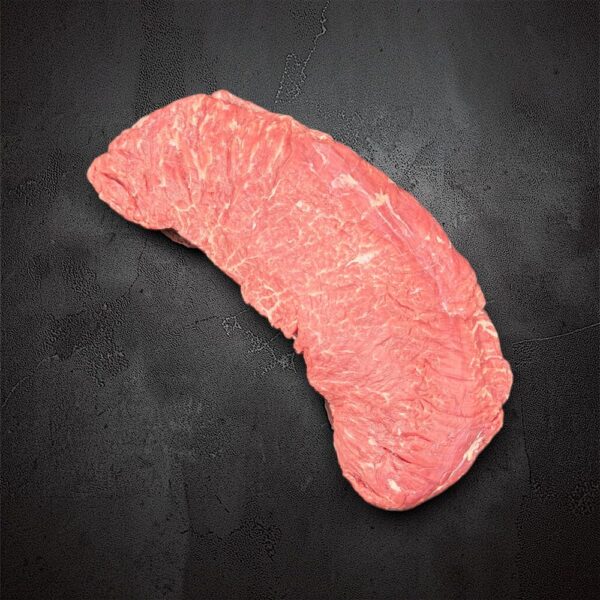
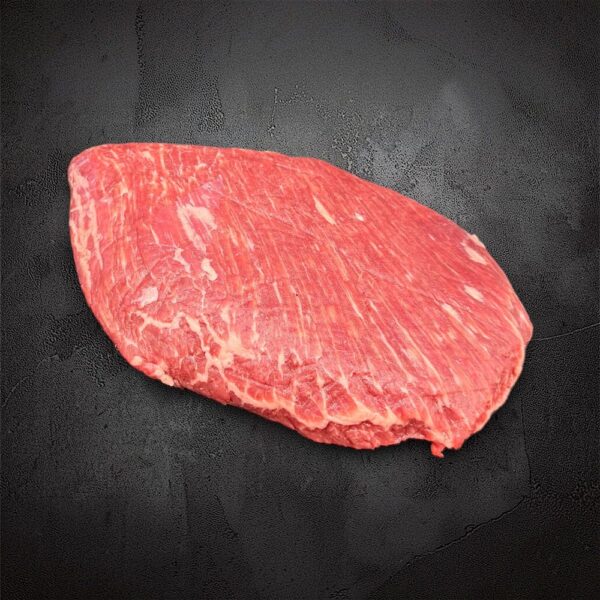
For the steak, you can choose whatever you like: beef tenderloin, ribeye, sirloin, or another high-quality Black Angus steak. The meat is seared on high heat and then cooked at a low temperature until it reaches a core temperature of 54 °C. Meanwhile, in the same pan, the aromatic pasta is prepared with garlic, cherry tomatoes, fresh herbs, capers, and a splash of white wine or Prosecco.

The result: tender Black Angus steak served over flavorful pasta—simple, authentic, and really good.

Ingredients for 2 people

For the steak
  • 1 large Black Angus steak, about 300–400 g
  • Beef tenderloin, ribeye, or beef entrecôte—your choice
  • Butter or olive oil
  • Salt
  • Freshly ground black pepper
For the pasta
  • 200–250 g spaghetti, fettuccine, or wide pasta
  • 2–3 cloves of garlic
  • 200 g cherry tomatoes
  • 1 handful of fresh parsley
  • 1 sprig of rosemary
  • 2 sprigs of thyme
  • 1–2 tablespoons capers
  • 1 small sip of white wine or Prosecco
  • 30–40 g butter
  • Olive oil
  • Salt & Pepper

Preparation

1

Prepare and Sear the Steak

Season the steak with salt and freshly ground pepper before cooking.
Heat a heavy skillet until very hot, then sear the steak on both sides over high heat with a little oil or clarified butter until it develops a nice golden-brown crust.
Then remove the steak from the pan and let it finish cooking slowly in an oven preheated to 80 °C until it reaches an internal temperature of 54 °C.
2

The steak pan becomes a pasta pan

Don't wash the pan—that's where the flavor is now.
Sauté the garlic in a little butter and olive oil over medium heat until lightly browned. Add the halved cherry tomatoes and sauté briefly.
Add the parsley, rosemary, thyme, and capers. Deglaze with a small splash of white wine or Prosecco and let it reduce briefly.
Then remove the pan from the stove or keep it warm over very low heat.
3

Cooking Pasta

While the steak is cooking in the oven, cook the pasta in plenty of salted water until al dente.
Reserve some of the pasta water before draining the pasta.
Add the pasta directly to the skillet and toss with the herb-tomato mixture. Add the butter and, if necessary, a little pasta water to make it creamy.
The pasta should be glossy and absorb the flavors from the pan.
4

Serving

Remove the steak from the oven and let it rest for 5 minutes.
Arrange the pasta on warmed plates. Cut the steak into nice slices and place them on top of the pasta.
Garnish with fresh parsley, a little freshly ground pepper, and—if desired—a few capers.
And there you have it: a steak pasta dish where the meat clearly takes center stage.

The Perfect Core Temperature for Steak Pasta

For this recipe, we recommend a core temperature of 54 °C. This will keep the Black Angus steak nice and juicy and pink.

Our Tip

The most important rule for this steak pasta is: Don't wash the pan after cooking the steak.

The remaining roasted flavors form the basis of the sauce and give the pasta an intense meaty flavor. Combined with garlic, herbs, cherry tomatoes, capers, and a splash of white wine, this creates an incredibly flavorful pasta dish with very little effort.

Frequently Asked Questions About Steak Pasta

Which cut of steak is best for steak pasta?

Ribeye, beef tenderloin, or beef chuck are particularly well-suited for this dish. For maximum flavor, we recommend a well-marbled Black Angus ribeye.

What should the internal temperature of the steak be when serving it with steak pasta?

For a juicy, pink steak, we recommend a core temperature of 54 °C. This corresponds to approximately medium-rare.

Can I make steak pasta with any kind of steak?

Generally speaking, yes. The key is that the steak be suitable for quick-frying. High-quality cuts such as ribeye, beef tenderloin, or beef entrecôte work especially well.

What kind of pasta goes best with steak?

Spaghetti works great. Fettuccine, tagliatelle, or other slightly wider pasta work even better for this recipe, since they soak up the flavorful sauce well.

Does the steak need to rest before you cut it?

Yes. After cooking, let the steak rest for about 5 minutes. This will keep it juicier when you slice it.

Can I use Prosecco instead of white wine?

Yes. A small sip of dry Prosecco works very well for deglazing and adds a pleasant tartness to the pasta.

We're having steak and pasta today.

Pick out your favorite cut of Black Angus, cook it to perfection, and then use the same pan to whip up the most flavorful pasta of the evening.

→ Discover Black Angus Steaks
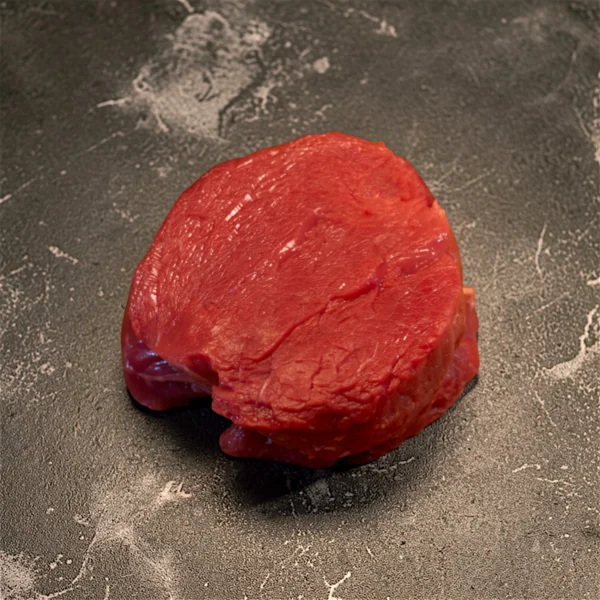
Meat with a traceable origin. Carefully selected.